You wake up the morning after a massage and something is different. Not wrong, just different. Your muscles feel pleasantly heavy, maybe a touch tender. Your head slept better than it had all week. And then comes the question you're probably here for. Is this still normal? Should I be worried, or is it exactly as it should be?
This page is a kind of map. It walks you through all the common reactions after a massage and tells you why each one shows up. It also points you to a dedicated article when you're dealing with one in particular. Above all, it gives you one simple yardstick for telling a harmless reaction apart from a signal that belongs with a doctor. You'll still remember it six months from now. Because your body reacts after a massage for one plain reason. Something good has just happened inside it. The muscles warmed up, the blood got moving, the nervous system switched from alert to calm. Don't go looking for any "flushing out toxins" in that, it's a myth. It's simply the body settling.
A reaction that is mild, short and fades with rest is almost always harmless. It's gone within 24–48 hours.
A problem that is severe, won't stop, or comes with a fever or chest pain has nothing to do with the massage. That's time for a doctor. The rest of this page is just about telling those two cases apart in a heartbeat.
The three-question rule
If you take just one thing away from this page, make it this. When you're not sure whether some sensation after a massage is fine, ask yourself three quick questions. The answers will tip you one way or the other on their own.
- How strong is it? Mild, bearable, more "I notice it" than "I can't stand it"? That's the language of an ordinary reaction. Sharp, stabbing or growing pain doesn't belong in this category.
- How long has it lasted? Minutes, hours, a day or two at most? Completely typical. Something that drags into a third day and won't budge is a different league.
- Which way is it heading? Fading with every hour of rest, sleep and water? Good — it's going the right way. If it's getting worse or standing still, that's a warning sign.
Put simply: mild + short + fading with rest = normal. The moment any one of those three answers lands on the opposite side, whether severe, dragging on or getting worse, stop pinning the reaction on the massage and speak to a doctor. It really is no more complicated than that.
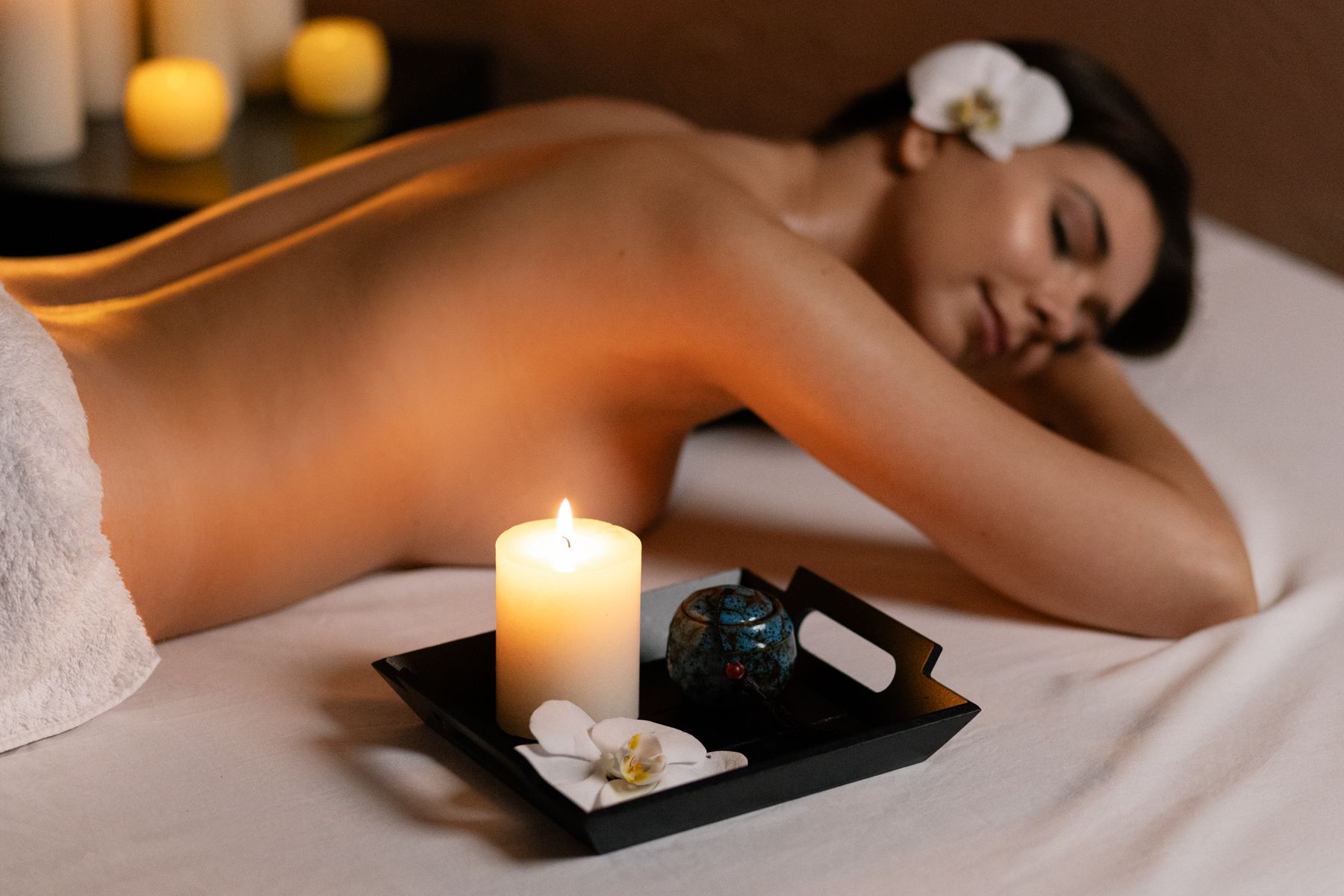
Reaction or symptom? A difference that tells you a lot
There's one more trick that pairs nicely with the three-question rule, and hardly anyone talks about it. A reaction after a massage always has an address. You can trace it back to a specific thing that happened on the table. The warmth, the deeper pressure, the fact that you stood up a little too fast. Light-headedness the moment you got up? Your circulation simply didn't have time to adjust. Tender muscles the next day? A spot that was thoroughly worked.
A symptom, by contrast, arrives uninvited. It appears out of nowhere, with no link to what happened during the massage. A dizzy spell that hits you three days later in the middle of nothing, say. To put it another way: a reaction is an echo of what the massage did. A symptom shows up like an unexpected guest. When you can say "ah, that'll be from the pressure on my back" or "I got chilled lying in the oil", you're almost certainly in the zone of ordinary reactions. When you can find no such explanation, take it more seriously.
A directory: what each sensation means
Now for that map. Below are the reactions people most often meet after a massage, from the most common to the rarer ones. Each links to its own article, where we go into why it happens, how long it lasts and what to do about it.
- The most common of all is tiredness and sleepiness. The body has switched into calm mode and naturally pulls you towards rest.
- If your legs feel a little wobbly when you stand, that's weakness after a massage, usually a knock-on effect of deep relaxation.
- Shivering or goosebumps? That's chills after a massage. A warmed-up body cools fast, and evaporating oil adds to it.
- Rarer and less pleasant is nausea, often tied to an empty stomach or getting up too abruptly.
- A brief spin when you rise from the table is covered in our article on dizziness after a massage.
- A tension-type headache is linked to releasing tightness in the neck, or simply to not drinking enough.
- That familiar "gym" tenderness is described in muscle soreness after a massage.
- And if a little mark appears after deeper kneading, bruises after a massage explains when they're still normal.
When the rule doesn't apply — go straight to a doctor
A handful of situations skip the three questions entirely. They aren't reactions to a massage, and there's no point waiting or weighing them up. They belong straight in a doctor's hands, and if need be at an emergency room. You'll spot them easily, because they have nothing to do with a massage winding down pleasantly.
- a fever, heavy vomiting or a "coming down with something" feeling. That's illness, not a reaction, and the massage didn't cause it.
- chest pain, shortness of breath or a racing heart. Always a reason to act at once, whatever else is going on.
- fainting, or dizziness that won't pass even after you lie down quietly and have a drink.
- extensive, very painful bruises, or bruises that keep appearing elsewhere for no reason.
- severe pain that doesn't ease over a day or two but instead grows.
Let's be clear about it: a good massage is deep care for body and mind, not treatment or a diagnosis. It can bring enormous relief, but it can't stand in for a doctor. And honestly, it doesn't want to. If anything from the list above turns up, it isn't a failure of the massage or of you. It's simply a moment when someone else should have the say. And if you're coming down with a cold or running a temperature, put the massage off and treat yourself to bed.
Making the next day an easy one
Most reactions can be headed off, and above all handled so nothing catches you out. It comes down to a few small things that cost nothing:
- Don't sit up with a jolt. Stay lying a moment longer and rise gradually — you'll spare yourself the dizziness and that wobble in the legs.
- Drink something and keep the day gentle. A glass of water and an easier pace help the body settle far faster.
- Skip hard training, the sauna and alcohol that day. A warmed, relaxed body appreciates ease rather than more strain.
- Speak up during the massage. An extra blanket, a warmer room, different pressure (just say SOFT or STRONG). Your comfort is part of the massage, not an interruption.
We've put the full guidance into two articles: what to do after a Thai massage and, conversely, what to avoid after one. And if you're still choosing the right one, browse the whole range of massages, or go straight ahead and book.
Key takeaways
- A reaction always has a cause from the massage. A symptom arrives on its own, with no link.
- Three questions: how strong is it, how long has it lasted, and which way is it heading.
- Mild, short and fading = normal, gone within 24–48 hours.
- Most reactions can be headed off by rising slowly, drinking and keeping the day gentle.
- Straight to a doctor with a fever, chest pain, fainting or extensive bruising.
A massage that leaves you feeling better — and knowing why
Our therapists tailor the pressure and the approach to your body, then let you wind down in peace. No nudging towards the door, just care made to measure.
Free cancellation up to 24 h before · pay online or on arrival