You reach for your phone to glance at your messages. And the letters swim. Eyelids like lead, head pleasantly empty, your body somehow ten kilos heavier than it was an hour ago. The therapist just wished you a lovely rest of the day. Here you are working out whether you'll even make it to the tram or should collapse onto the nearest bench. You came in to recharge and you're leaving like a phone on 3%.
Don't be alarmed. You've just had one of the most common and healthiest reactions to a massage there is. That sleepiness isn't a fault to be fixed. It's a feature, not a bug. Your body has finally let you do the one thing it forbids all day: switch off. In the lines below we'll show you where that "off switch" comes from, why the sleep you've long been putting off suddenly comes calling, and why it would be such a shame to override this rare state with coffee.
Sleepiness after a massage is a sign that the parasympathetic system has kicked in, the body's calm mode driven largely by the vagus nerve. You've dropped into a depth of rest you can rarely fight your way to during the day. Often the fatigue you'd stored up long ago and simply drowned out with busyness surfaces too.
It isn't dangerous. It fades after rest or sleep, and by the next day there's usually no trace of it. The only thing to watch for is fatigue that drags on for days and has nothing to do with unwinding.
The switch you can't find during the day
Your body flips between two modes all day long. The first, the sympathetic system, is the accelerator. It keeps you revved up, alert, ready to react to whatever comes. The second, the parasympathetic system, is driven in large part by the vagus nerve (the nervus vagus). It's brake and charger in one: it slows the heart, deepens the breath, and gets digestion and tissue repair going.
The catch is that during the day you can barely reach that brake. Notifications, traffic, deadlines, twenty tabs open in your head. All of it keeps a foot on the accelerator even while you're sitting still. A massage is one of the few situations where slow, rhythmic touch and an hour with no glowing screen finally start that vagus up for you. And once it's fully running, it brings sleepiness along as its most faithful companion. It isn't a side effect. It's the very click of that switch, one you can finally hear.
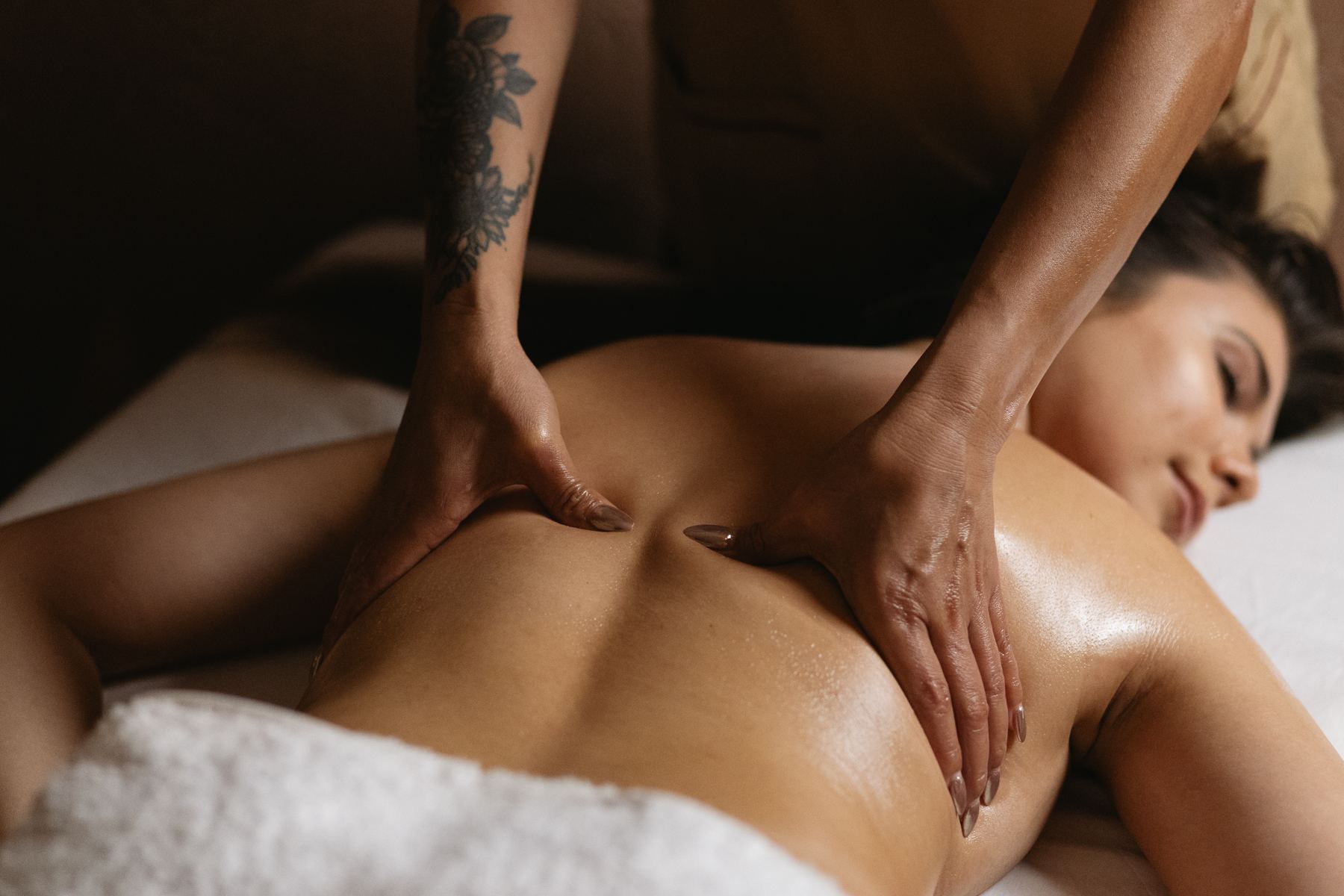
The sleep you've been putting off comes calling
Here's the part that catches most people off guard: a massage usually doesn't tire you out at all. It merely pulls away the noisy screen the fatigue had been hiding behind. It's rather like a busy café where someone finally turns the music down. Only then do you hear how worn out you've been all along, even though you couldn't feel it over the din.
Experts have a name for it: sleep debt. Every shortened night, every early alarm and late bedtime adds up, and the body remembers each one down to the minute. During the day you override that debt with adrenaline, coffee and hurry. The moment a massage calms you and your stress-hormone levels drop, whatever was artificially keeping you afloat falls away too. You feel the whole bill at once. Sleepiness after a massage is therefore a fairly accurate gauge of how much rest you're actually short on. It's nothing to be proud of and nothing to hide. Think of it as your body quietly showing you the list of arrears.
Sleepiness or weakness? A small difference worth knowing
It's worth telling pleasant sleepiness apart from weakness after a massage, which we cover elsewhere. At a glance they look alike, but they feel quite different. Sleepiness is heavy, warm and inviting: you want to close your eyes and give in to it. Weakness is unpleasant and catches you off guard. Your head spins, your legs go wobbly, your body feels wrung out. Put simply: sleepiness soothes you and lures you into bed, whereas weakness alarms you and just wants you to sit down. If that second description fits you better, take a look at the separate article. In most cases, though, it's exactly that gentle, sleepy slowing down.
Why it's a shame to override it with coffee
The first instinct is usually clear: a double espresso and back into the fray. But coffee doesn't remove fatigue, it just masks it for a few hours. Caffeine occupies the spots in the brain where adenosine normally binds, the molecule that signals it's time to slow down. The sleep debt from the previous section doesn't vanish. You merely shout it down for a while, and by evening it speaks up all the louder.
And above all: the first twenty to thirty minutes after a massage are the closest to genuinely deep calm your nervous system will reach all week. Overriding it with caffeine is a bit like putting out the fireworks you've just paid for. Whenever you possibly can, let the state fade on its own. It's the best part of the experience, not an obstacle to be beaten.
How to make the most of the sleepiness
The best thing you can do is stop treating the sleepiness as an opponent. A few small touches turn it into a little luxury:
- Give yourself calm, literally, here. After a massage you can stay with a cup of herbal tea for as long as it feels good. Nobody is hurrying you out the door.
- Nap if the day allows. Even twenty minutes of sleep is gratefully received. It's exactly the room your body just asked for.
- Drink and eat lightly. A glass of water and a small, light meal give you energy without sending you further to sleep. A heavy lunch, on the other hand, only deepens the drowsiness.
- Skip alcohol and hard exercise. Both put needless strain on a tired body. For how to make that pleasant post-massage state last, see What to do after a Thai massage. For what to avoid, read What not to do after a massage.
Sleepiness isn't the only reaction the body sometimes surprises you with, either. Just as harmlessly, you might get brief chills or mild nausea. For the full picture, see Reactions after a massage: what's normal and when to pay attention.
When it's no longer the fatigue of unwinding
The line is thankfully fairly clear. The fatigue of unwinding is short, pleasant and fades once you rest. It's worth paying attention, though, to fatigue that doesn't fit this family of mild reactions.
- the fatigue lasts several days and tends to deepen rather than ease off,
- it is so draining that it knocks you out of your normal day and has nothing to do with post-massage calm,
- it comes with other symptoms — fever, dizziness, a racing heart, marked pain or shortness of breath.
These are no longer reactions to the massage but a signal that something else is going on in the body, something for a doctor. A massage is deep care and rest, not medical treatment. It's no substitute for an examination or a diagnosis.
Key takeaways
- Sleepiness is a feature, not a fault. The parasympathetic system kicked in and your body reached a rare deep calm.
- It's often postponed sleep. A massage pulls away the screen of hurry and you feel your stored sleep debt.
- Don't override it with coffee. Caffeine only masks the fatigue and it speaks up all the louder by evening.
- Make the most of it. Time your massage for the early evening, give yourself calm and nap if you can.
- See a doctor only rarely. When the fatigue lasts days, drains you, or comes with fever and other symptoms.
Treat yourself to an hour with nothing to do
After your massage you'll stay with a cup of herbal tea for as long as it feels good — and you're welcome to savour the sleepiness as part of the experience.
Free cancellation up to 24 h before · pay online or on arrival