You're hovering over the booking form, cursor above the button, and one question won't let go: Thai or classic? Both have glowing reviews. Both promise relief and calm. Yet they differ in almost everything. Whether you stay dressed, whether oil is involved, whether you simply lie there or get stretched, yoga-style, under the therapist's hands.
The good news is you can't really pick wrong here. Both do your body good, just by different routes. The trickier question is which one fits you, right now, given how you feel and what you want from the hour. This guide sets the two honestly side by side. Technique, feel, clothing, pressure, and who each one suits. So you can click with confidence, not doubt.
Classic (Swedish) massage is oil, a table, muscle kneading and passive, sleepy calm. Traditional Thai is loose clothing, a floor mat, acupressure, stretching and fresh energy at the end.
Not sure which way to go? Thai oil massage cleverly bridges the two.
Two philosophies, one goal
Classic massage grew out of a European tradition, often called Swedish, and focuses on soft tissue: muscles, connective fascia and circulation. You lie back, relax and leave the whole job to the therapist. Traditional Thai massage, by contrast, has roots in Ayurveda and the healing tradition of Buddhist monasteries. It works not only with muscles but with energy lines called sen and the whole body in motion. That's why it's nicknamed "lazy yoga": someone else moves you through the poses.
It isn't better versus worse. They're two routes to the same destination, a relaxed and tuned-up body, just through different doors. If the thinking behind it interests you, we unpack it in What is Thai massage. For a wider view of everything that hides under the word "massage," see our overview of the types of massage.
Clothing or oil? You'll notice that first
The very first difference hits you before you even touch the table.
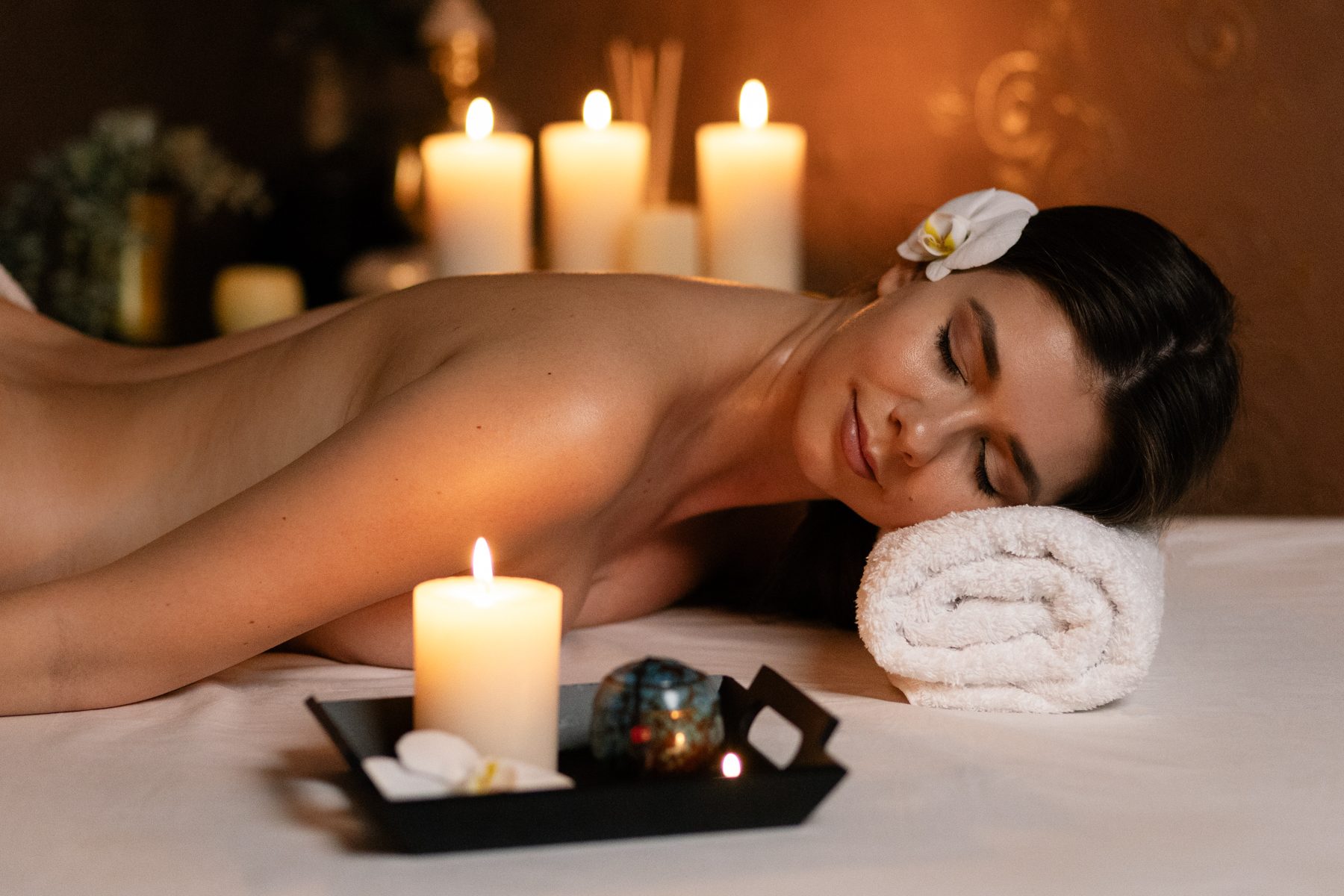
- Classic massage: on bare skin, on a massage table, with oil or lotion. Your body stays under a towel and only the area being worked is ever uncovered.
- Traditional Thai massage: done fully clothed in loose, comfortable garments (we lend them to you), with no oil, on a wide mat or futon low to the floor. That's exactly what allows the free movement, rocking and stretching a narrow table couldn't.
It sounds like a detail, but it decides more than you'd think. Don't fancy oil in your hair, popping in on your lunch break, or undressing in front of a stranger? Thai keeps you comfortably clothed. Love the feel of a palm gliding over warm skin? The scales tip towards classic, or towards Thai oil massage, which keeps the oil but adds a dose of Thai spirit.
What the therapist's hands do
This is where the two styles part ways most. And you can hear it in the names of the techniques.
- Classic: long gliding strokes (effleurage), kneading (petrissage), friction and light tapping. The point is to warm the tissue and work a specific muscle, that one stubborn knot between the shoulder blades.
- Thai: rhythmic acupressure with palms, thumbs, elbows and feet along the sen lines, woven together with passive stretching. The therapist slowly guides your body into yoga-like poses without you lifting a finger.
The difference in tempo is obvious at once. Classic flows in one calm rhythm. Thai undulates: pressure, a rock, a stretch, a pause, then again. If you'd like to know exactly what a Thai session looks like minute by minute, we describe it in How Thai massage works.
How you'll feel during and after
It's not only about what happens during the hour, but above all how you leave it. A classic massage is a passive experience. You drift, your mind slows, your muscles soften. It tends to be soothing, even sleep-inducing, which makes it ideal for the evening when you want to slide straight into sleep. Traditional Thai is livelier. The stretching and rocking gently involve you, circulation gets going, and many people leave fresh and energised rather than drowsy. It's a great mid-day reset. A little post-massage tiredness can follow either one, and that's perfectly fine. For exactly what both bring to body and mind, read the effects of Thai massage.
Flexibility and pressure: where each has the edge
Two things come up most: stretching and intensity. Let's take both straight. Want to feel looser, with more range in the hips, back and shoulders? Here Thai clearly leads. Stretching is a discipline of its own, and afterwards you often feel literally "taller." Classic does almost no stretching, but it can target one specific tight muscle and work it deeply.
And pressure? There's a myth that Thai has to hurt. It doesn't. True, thanks to elbow work and the therapist's full body weight it's often felt as more deeply penetrating, while classic is easy to keep very gentle. But the range on both is enormous, from feather-light to seriously firm. And one rule saves you a lot of discomfort: speak up about pressure. A good therapist adjusts instantly. That's exactly what they're there for.
Which to choose for your goal
Set the theory aside and it comes down to one thing: what you arrive with and what you want from the hour.
- Stiff back and neck from desk work: both help; for targeting one specific muscle, classic or our Back Pain Relief Massage often wins.
- Overall stiffness and a craving to stretch: traditional Thai, hands down.
- Switching off, calming down, falling asleep: classic or the gentle Aroma Relax Massage with scented oils.
- Energy, freshness, a mid-day "reset": traditional Thai.
- Sensitive skin or a dislike of oil: traditional Thai, which does without oil entirely.
The middle ground: Thai oil massage
And what if both appeal? Good news. You don't have to choose in black and white. Thai oil massage blends the best of both worlds: soft gliding strokes with unscented argan oil as in a classic massage, plus gentle elements of Thai stretching and acupressure. It's softer and warmer than dry traditional Thai, and it fits when you want deep relaxation but don't want to give up Thai dynamism entirely. With us it's 1,790 / 2,290 / 2,790 CZK for 60 / 90 / 120 minutes, while traditional Thai massage is 1,690 / 2,190 / 2,690 CZK. See the full price list for everything else.
Key takeaways
- There's no wrong choice. Both do your body good, just by different routes.
- Classic means oil, a table and muscle kneading. It soothes and suits the evening.
- Traditional Thai is clothed, oil-free and full of stretching. It tends to refresh and energise.
- You control the pressure. Thai doesn't have to hurt, just speak up.
- Choose by your goal: stretching and energy → Thai, deep calm → classic.
- Torn between them? Thai oil massage is the middle ground.
Try both worlds with us
Certified therapists, a calm setting in central Prague and a welcome herbal tea after every massage. Book the traditional, oil or classic style online.
Free cancellation up to 24 h before · pay online or on arrival