You know the feeling. The afternoon wears on and a dull pressure settles between your brows. Your neck feels set in concrete, your shoulders have crept up towards your ears, your head is gripped as if by an invisible band. It doesn't stab. It aches and hums, and every extra hour at the screen tightens it a little more.
Yet most headaches don't begin in the head at all, but just below it, in the muscles of the neck, shoulders and scalp that clench through a day of stress and sitting and never quite let go. And that is exactly where a massage can work. It dissolves the tension the pain grows out of. It isn't a miracle or a cure, it's relief. Let's walk through why the head hurts, how massage helps, which one to choose and when it's wiser to see a doctor instead.
The most common tension headache stems from tightness in the muscles of the neck, shoulders and scalp. Massage releases those muscles, improves circulation and eases the body out of stress mode. The pressure in your head lets up.
This is relaxation and relief, not treatment. With frequent, severe or sudden headaches, the word belongs to a doctor, not a therapist.
Where the pain actually comes from
The most common visitor is the so-called tension headache, the one born of strain. It doesn't start inside the head but in the muscles that wrap around it. When they stay locked for too long, the pain spreads from them like a tightening band around the forehead and temples. And behind that tension is almost always lifestyle rather than anything serious:
- A neck and shoulders permanently on guard. Hours at the computer, head tilted towards a phone, shoulders hitched up to the neck. The neck muscles work non-stop and never truly rest.
- A clenched jaw and a tight scalp. Under stress we unconsciously grit the jaw and screw up the face. The tension flows straight from there onto the scalp and behind the eyes.
- Little movement, plenty of stress. A sedentary day without a single stretch, plus nerves stretched to breaking point, is the perfect breeding ground for a tension headache.
- Too little sleep, too little water. Fatigue and dehydration bring on headaches on their own, and make everything else worse.
This is the ground a massage sits on beautifully. A migraine, or pain from a neurological or other medical cause, is an entirely different chapter. There a massage won't fix the problem, and diagnosis and treatment belong in a doctor's hands. How to tell the two apart is covered below.
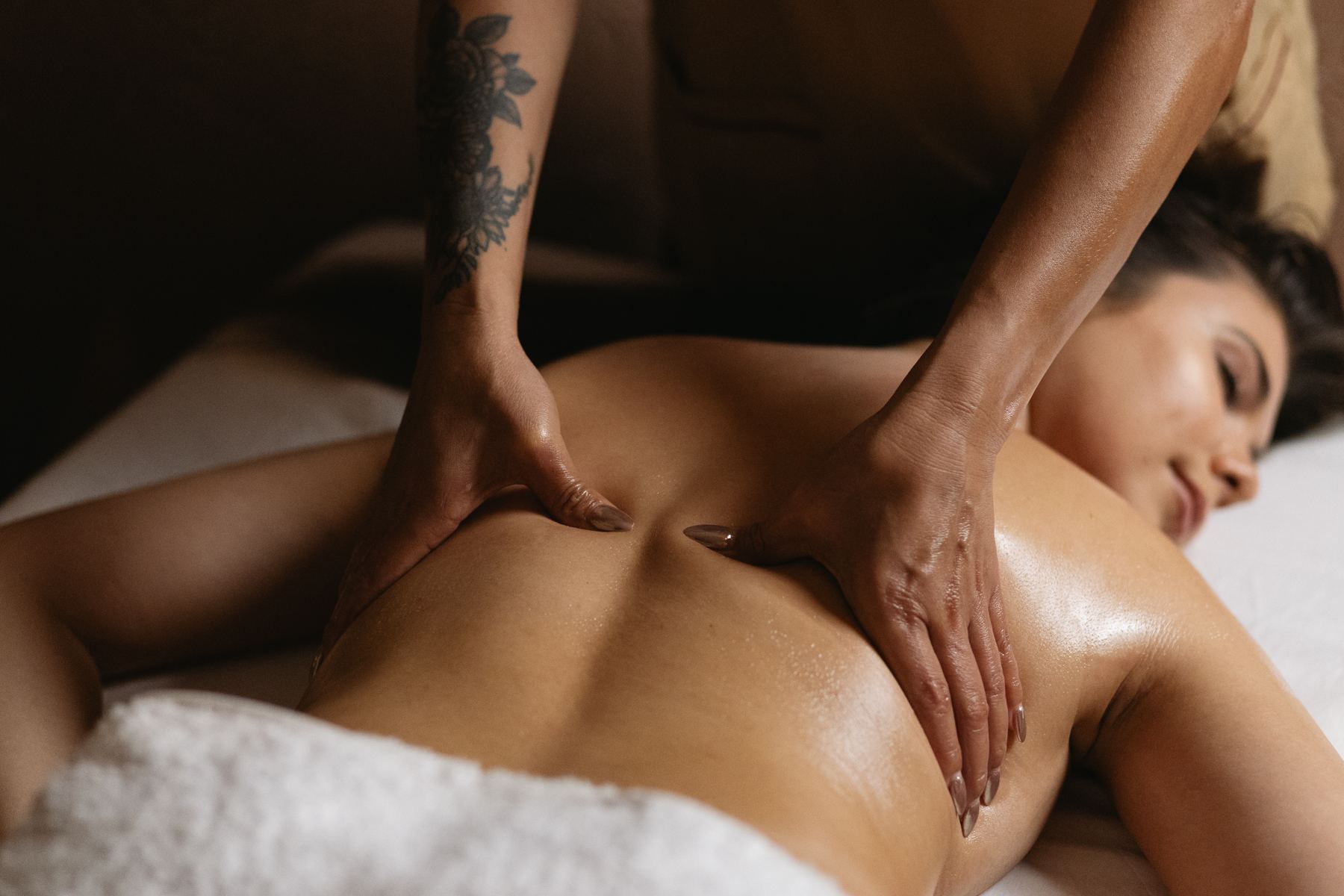
How massage eases the head
Massage doesn't chase the pain itself. It goes after its source. When the muscles sending out the pressure let go, the head eases too. Several things happen at once:
- It releases tight neck, shoulder and scalp muscles. That is where the tension usually lives. As the muscles soften, the grip around your head begins to loosen.
- It works out trigger points. Overloaded neck and shoulders develop tender, knotted spots (trigger points) that can shoot pain up into the head. Targeted pressure helps release them.
- It gets the blood moving. Better circulation means more oxygen and nutrients for strained muscles, and faster clearing of fatigue from them.
- It switches the body from stress to calm. Breathing and pulse slow, stress hormones fall, and with them the muscles' urge to clench. Stress, after all, is the number-one trigger of tension headaches.
- It improves sleep. A relaxed body falls asleep more easily, and better sleep is one of the best defences against the next headache. We write more about this in the article on the effects of head massage.
Which massage to choose
For a tension headache, the massages that aim best are the ones focused on the upper body, right where the pain comes from. Choose according to where you feel the tension most:
- The Anti-stress Massage of the head, neck and face. The precise choice when the pressure sits in the crown, the temples and around the eyes. Gentle work on the scalp and face can be remarkably calming.
- The Back Pain Relief Massage. Ideal when stiff shoulders and an aching upper back from sitting are to blame. It frees the whole "carrier" of the head from below.
- A full-body relaxation or Thai massage. When it's mainly about stress and overall tension, a whole-body calm helps too. The body relaxes as one and the head rides along with it.
Not sure what to pick? Have a look at our guide to which massage is right for me, or simply book a session and tell us on arrival where it weighs on you, and we always tailor the massage to you.
What you can do for your head between massages
A massage gives tight muscles a big reset, but between visits you can help them with quite ordinary things. Often a little is enough:
- Sip water through the day. Dehydration is a quiet headache trigger. A glass of water within reach does surprisingly much.
- Stretch your neck and shoulders. A few slow tilts and shoulder rolls morning and evening keep the muscles supple.
- Give yourself sleep and calm. A rested, less stressed body clenches far less.
One small aside: if instead your head aches after a massage, that's no cause for worry. Why it happens now and then and what to do about it is covered in the separate article headache after a massage. For an overview of other common reactions, see reactions after a massage.
When massage isn't enough and it's time for a doctor
Massage is wonderful for tension and stress. It is not a diagnostic tool, though, and some headaches simply don't belong in a spa. See a doctor when any of these signs appear.
- your headaches are frequent, severe or steadily worsening,
- the pain came on suddenly and violently, like a bolt from the blue,
- it comes with fever, a stiff neck, or changes in vision, speech or sensation,
- the pain follows a head injury, or a new type appears after fifty,
- you suspect a migraine or another medical cause.
In these cases a massage solves nothing and may draw attention away from the real problem. Think of massage as deep care and relief from tension, not as treatment. For a diagnosis and treatment, only a doctor can help.
Key takeaways
- Tension headaches are the most common. They come from tight neck, shoulder and scalp muscles, not from inside the head.
- Massage goes after the source. It releases tight muscles, gets the blood moving and calms stress, so the pressure lets up.
- The upper body is the target. The Anti-stress Massage of the head, neck and face, or the Back Pain Relief Massage.
- Small habits help between massages. Screen breaks, water, stretching and sleep.
- It's relief, not a cure. With frequent, severe or sudden headaches, the word belongs to a doctor.
Ease your head with an anti-stress massage
A targeted massage of the head, neck and face dissolves the tension a headache most often grows out of. Tell us where it weighs on you and leave the rest to us.